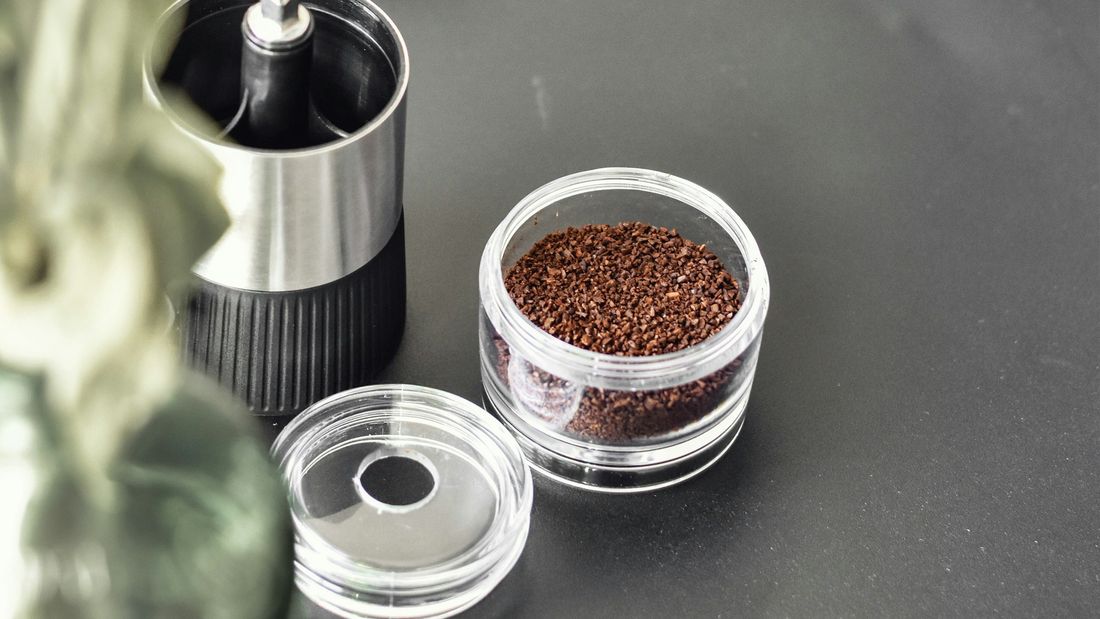
Equipment is where good intentions meet big invoices. A café needs a machine and grinders; a tradie needs a van and tools; a content studio needs cameras and edit machines; an online brand needs racking, printers and scales. For a new business, getting the kit right — and funding it sensibly — protects the cash you’ll need for everything else.
Step 1: Separate “need” from “nice”
Make three lists:
- Must have to open: you literally can’t trade without it.
- Makes us faster or better: improves capacity or quality once you’re trading.
- Nice to have: can wait until revenue justifies it.
Fund the first list properly. Be picky about the second. Leave the third for later.
Step 2: Choose how to fund each item
| Option | Best for | Watch out for |
|---|---|---|
| Pay cash | Small items, tools, low-value assets | Draining working capital at launch |
| Lease or rent | Fast-dating tech, trial equipment, items you’ll upgrade | Higher total cost, you don’t own it |
| Supplier / vendor finance | One big item from one supplier | Tied to that supplier’s terms |
| Equipment finance | A single major asset (vehicle, machine) | Secured on that asset only |
| Business loan | A bundle of kit plus fit-out, stock or launch costs | Needs trading history or property security |
Many businesses mix and match: cash for small tools, a lease for laptops, and a loan for the big one-off set-up.
Step 3: Understand the tax angles
Two Inland Revenue rules are especially relevant for new businesses buying kit:
Investment Boost. From 22 May 2025, businesses can claim 20% of the cost of eligible new assets (or assets new to New Zealand) as an immediate deduction, then depreciate the remaining 80% as usual (Inland Revenue). That improves the after-tax cost of buying new in your first year.
Low-value assets. Items costing under the low-value asset threshold (currently $1,000) can generally be expensed in full rather than depreciated.
GST. If you’re GST registered, you can usually claim the GST on equipment purchases. If you’re not yet registered, talk to your accountant about timing — see our GST threshold guide.
These rules have details and exclusions, so check with your accountant before relying on them.
Step 4: Buying second-hand? Do your checks
Second-hand equipment can save a lot, especially for hospo and trades. Before you buy:
- Search the PPSR (Personal Property Securities Register) to check the item isn’t subject to someone else’s finance.
- Get service history and ask why it’s being sold.
- Budget for a service or refurbishment.
- Check warranties — you usually won’t get one.
Step 5: Think total cost of ownership
The sticker price is only part of it. Add:
- installation and delivery,
- servicing and maintenance,
- consumables (filters, blades, ink, gas),
- insurance,
- eventual replacement.
A cheaper machine that breaks down during your busiest month can cost far more than it saved.
Funding equipment with a business loan
A business loan isn’t tied to one item, so it’s useful when you need to fund several things at once — the van and the tools and the signwriting, or the machine and the fridges and the POS.
- Brand new business: a property-secured loan of $20,000 to $1m against NZ property you or a supporting party own. No financials or tax returns needed for the initial assessment.
- Trading about six months or more: unsecured funding or a line of credit sized to turnover may be available, with some decisions the same day.
See equipment and tech funding or, for hospo, café and food truck loans.
Example scenario
Example scenario — generic and illustrative only. A new Nelson bakery needs a deck oven, a spiral mixer, a proofer, a display cabinet and a POS system. The owner buys the oven and mixer new (checking Investment Boost eligibility with her accountant), buys a second-hand display cabinet after a PPSR search, and leases the POS. She uses a property-secured loan to fund the bundle alongside the fit-out.
Equipment checklists by business type
To help you build your own list, here’s what new businesses in a few common categories typically budget for. Use it as a prompt, not a shopping list.
Café or coffee cart: espresso machine and grinders, water filtration, refrigeration (under-bench and display), dishwasher, blender, POS and card terminal, crockery and takeaway packaging, generator and water tanks for mobile setups.
Trades: vehicle and racking, trailer, core power tools and batteries, specialist test equipment, ladders and scaffolding, safety gear, job-management software and a tablet.
Online store: label printer and scales, shelving and racking, packing bench, barcode scanner, photography lighting and backdrop, and a laptop that can handle your store, ads and accounting.
Creator or studio: camera bodies and lenses, lighting, audio kit, a high-spec edit workstation and storage drives, software subscriptions, soundproofing.
Health and beauty: treatment beds or chairs, sterilisation equipment, specialist devices, booking system, retail display.
Timing your purchases
When you buy equipment matters almost as much as what you buy:
- Before opening: only what you need to trade on day one.
- After the first month: add the “faster or better” items once you’ve seen real demand and bottlenecks.
- Before your busy season: capacity upgrades pay off most when demand is highest.
- Near your balance date: ask your accountant whether buying before or after 31 March (or your balance date) makes a difference to your tax position.
Protect the investment
Insure equipment from the day it arrives, keep serial numbers and invoices in one folder, and set a simple maintenance schedule. Breakdowns in a new business hurt twice: repair costs plus lost sales.
How Business Loanz helps
Enquire in about 60 seconds — no credit score impact. A lending specialist will talk through how to fund your kit list alongside the rest of your launch costs.