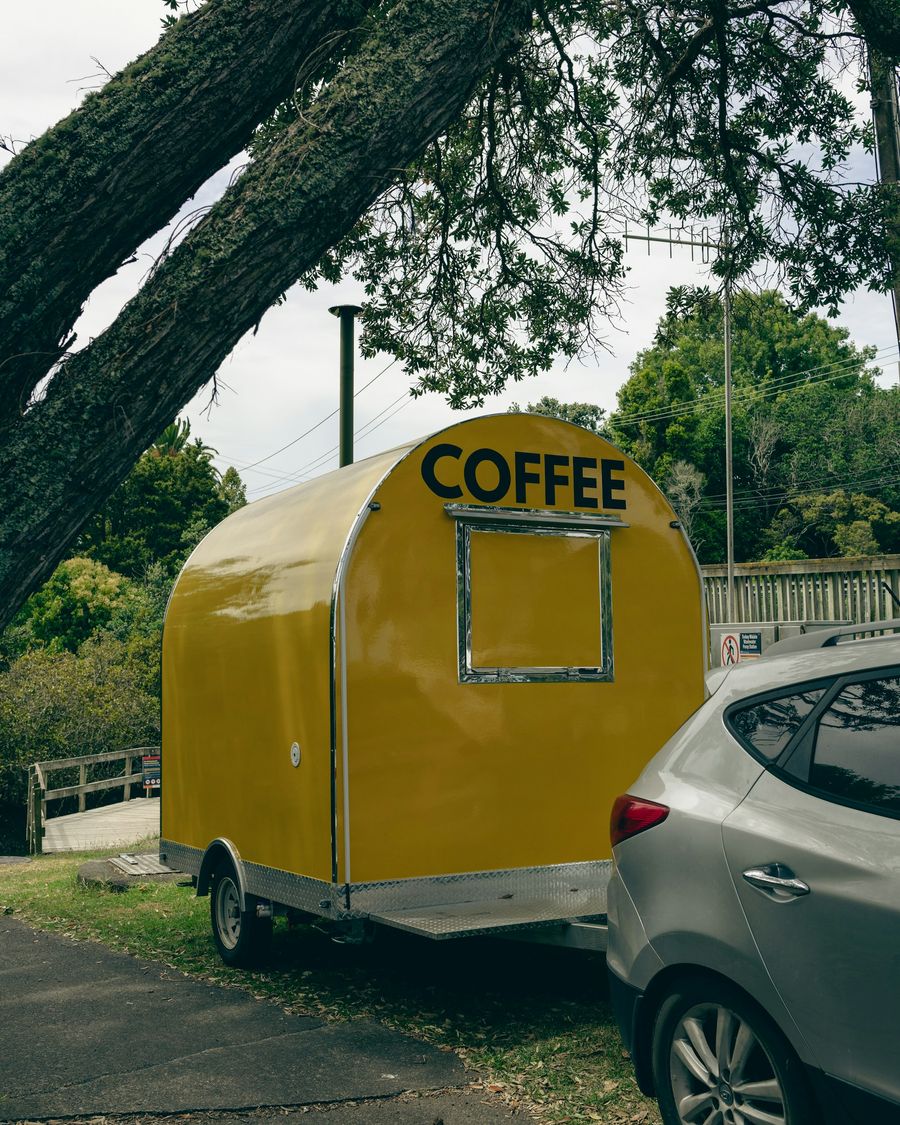
Hospitality in New Zealand runs on small, owner-operated businesses — the neighbourhood café with the good cheese scones, the coffee cart outside the train station, the dumpling truck at the Saturday market. They’re also some of the most capital-hungry businesses to start. Before you sell a single flat white, you’ve paid for a fit-out, an espresso machine and grinder, fridges, a POS system, crockery, signage, opening stock and a bond on the lease.
What does it cost to get a hospo business open?
Every site is different, but a realistic start-up list looks something like this:
| Cost | Café | Food truck / cart |
|---|---|---|
| Premises | Lease bond, rent in advance | Trading permits, site fees |
| Fit-out | Counters, plumbing, electrical, flooring | Truck or trailer build |
| Equipment | Espresso machine, grinders, fridges, oven | Machine, generator, water system |
| Compliance | Food control plan / registration, fire | Food registration, gas and electrical checks |
| Opening stock | Coffee, milk, food, packaging | Same, in smaller volumes |
| Launch | Signage, socials, opening promos | Wrap, socials, event fees |
| Working capital | Wages before takings settle | Fuel, event bookings |
Our guide to funding equipment for a new business covers whether to buy, lease or finance the kit.
Funding options for new cafés and food trucks
Before you open, or in the first six months: a property-secured loan is usually the realistic route. It runs from $20,000 to $1m, secured on NZ property you or a supporting party own (home, rental, commercial property or land), as a first or second mortgage. No financials or tax returns are needed for the initial assessment, and bad credit or past defaults are considered case by case. Funding can be possible within 24 hours of approval in some cases — handy when a builder or equipment supplier wants paying before opening week.
Once you’ve traded about six months: unsecured funding or a line of credit may open up, sized to the takings in your bank statements. Hospo businesses with steady daily card deposits often read well. Weaker credit is considered and some decisions are same-day. This is ideal for a new grinder, a winter menu launch, or smoothing a quiet month.
What makes a hospo funding request stronger
- A signed lease or confirmed site. It shows the plan is real.
- Quotes for the big items. Fit-out, machine and fridges in writing.
- A simple week-one to month-six plan. Opening hours, staffing, expected covers or cups per day.
- Industry experience. Yours or your manager’s.
- Clean banking once open. Bank takings daily into a business account.
Hospo-specific watch-outs
- Fit-outs overrun. Plumbing, electrical and council sign-offs rarely come in under budget. Add a buffer.
- Seasonality is real. A beach café in Mount Maunganui and a CBD café in Wellington have opposite quiet seasons. Plan repayments around your slow months.
- Wages are your biggest cost. From 1 April 2026 the adult minimum wage is $23.95 an hour, and a new café needs enough working capital to cover rosters before takings build.
- Mobile means weather. Food trucks and carts should budget for cancelled events and rainy weekends.
Example scenario
Example scenario — generic and illustrative only. A couple in their late twenties are opening a coffee trailer at an Auckland beach car park after years working as baristas. They’ve found a second-hand trailer and need a new two-group machine, grinder, generator and signwriting. Their business has no trading history yet, but one partner’s parents offer their Waikato home as security as supporting parties. A property-secured loan covers the set-up, and the couple plan to apply for an unsecured line of credit after their first summer.
Get your opening day funded
Enquire in about 60 seconds — free, and no impact on your credit score. A lending specialist will call to walk through your fit-out, equipment and opening plan. Growing into a second site already? See second location and pop-up funding.