Being a sole trader is the most common way to run a business in New Zealand — it’s quick to start, simple to run, and you keep control. The trade-off shows up when you want to borrow: there’s no company balance sheet, your business and personal life are closely linked, and your records might live partly in a spreadsheet and partly in your head.
The good news is that sole traders borrow for business purposes all the time. It’s mostly about showing your numbers clearly.
Who counts as a sole trader?
If you’re self-employed and haven’t set up a company or partnership, you’re a sole trader. That includes:
- tradies and contractors (sparkies, builders, plumbers, landscapers, cleaners),
- freelancers and creatives (designers, photographers, developers, copywriters),
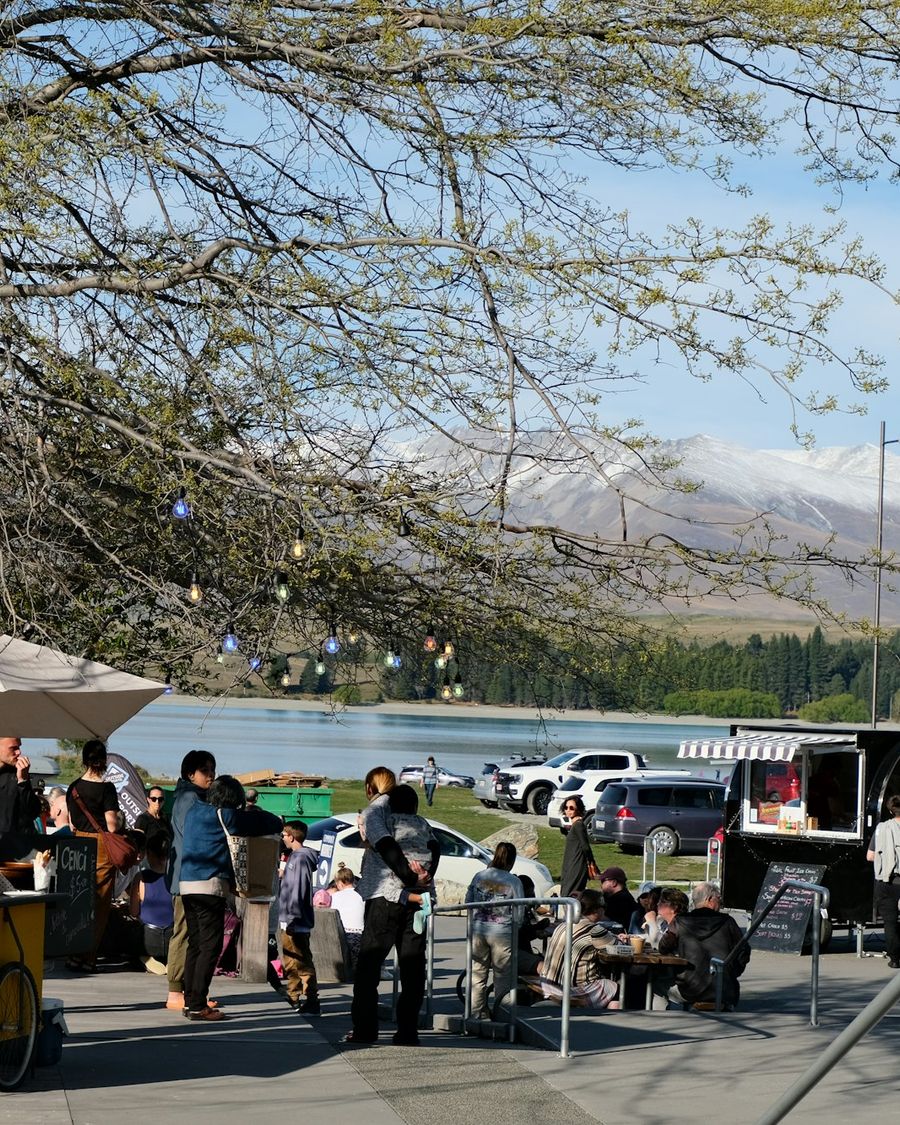
- stallholders, food cart and coffee cart operators,
- hair, beauty, fitness and wellness practitioners,
- makers selling online or at markets,
- side-hustlers who’ve just gone full time.
Loan options for sole traders
Unsecured funding or a line of credit. If you’ve been trading for about six months or more, lenders can size funding from your turnover and bank statements. Weaker credit is considered, and some decisions come back the same day. This suits tools, stock, a van deposit, a marketing push, or smoothing a slow month.
Property-secured loan. From $20,000 to $1m, secured on New Zealand property you or a supporting party own — home, rental, commercial property or land — as a first or second mortgage. No financials or tax returns are needed for the initial assessment, and bad credit, defaults and arrears are considered case by case. It suits bigger purchases, newer sole traders, or anyone consolidating business debts including IRD.
Making your numbers easy to read
Sole traders are often doing well but look messy on paper. A few changes transform how a lender sees you:
- Use one account for business. All client payments in, all business costs out.
- Bank your cash takings. Markets, cash jobs and tips that never hit the bank are invisible to a lender.
- Pay yourself on a schedule. A regular transfer to your personal account (“drawings”) is much clearer than random card spending.
- Keep IRD current. Track GST if you’re registered, and set aside for income tax. Many first-year sole traders get caught by provisional tax — see provisional tax in your first year.
- Save your invoices. Even a simple invoicing app gives you a tidy record of who paid what and when.
Sole trader or company — does it change borrowing?
A little. Sole traders borrow personally for business purposes, so your personal credit history is front and centre. Companies borrow in their own name, but lenders usually want personal guarantees from directors of young companies anyway. So in the early years, the practical difference is smaller than many people expect. Our guide to sole trader vs company in NZ covers the wider pros and cons.
What sole traders commonly fund
| Purpose | Example |
|---|---|
| Tools and equipment | A tradie’s new laser level, generator and trailer |
| Vehicle | A van or ute for a mobile business |
| Stock | A maker buying materials in bulk before summer markets |
| Fit-out | A beauty therapist setting up a home studio |
| Marketing | A photographer’s wedding-season ads and a new website |
| Tax | Paying a GST return or terminal tax on time |
Example scenario
Example scenario — generic and illustrative only. A Queenstown coffee cart operator has traded as a sole trader for a year, banking card and cash takings daily. She wants a second cart for the ski season. With twelve months of consistent statements, an unsecured option sized to turnover fits the smaller purchase, and the lending specialist also outlines a property-secured alternative in case she decides to buy a larger trailer instead.
Start here
Enquire in about a minute — no credit score impact. A lending specialist will call to work out what’s realistic for your trade. If you’ve only just gone out on your own, read turning a side hustle into a full-time business too.