A second location is one of the biggest calls you’ll make as a business owner. Done right, it doubles your reach without doubling your overheads. Done too early, it can pull a healthy first site down with it. The money matters — but so does the way you test and time the move.
Pop-up first, or straight to a lease?
For a lot of young businesses the smartest second location is a temporary one.
| Pop-up | Permanent second site | |
|---|---|---|
| Commitment | Weeks or months | Multi-year lease |
| Fit-out | Light, reusable | Full build |
| Purpose | Test demand, launch a product, peak season | Long-term growth |
| Risk | Low | Higher |
| Funding fit | Line of credit or small loan | Loan, often property-secured |
Pop-ups work especially well for online brands trying physical retail for the first time, for hospo businesses testing a new suburb, and for seasonal plays like a Queenstown winter or a summer beach spot.
The real cost of location number two
Founders often budget for the fit-out and forget the rest. A fuller list:
- lease bond, rent in advance and legal fees for the lease,
- fit-out, signage and compliance sign-offs,
- equipment and POS,
- opening stock (a second site usually needs its own buffer),
- wages for staff hired and trained before the site is busy,
- launch marketing,
- your time — the first site will get less of you for a while.
Our step-by-step guide to opening a second location or pop-up includes a checklist and break-even maths.
Funding options
Unsecured funding or line of credit. If your existing business has been trading for about six months or more, lenders can size funding from its turnover and bank statements. A line of credit suits pop-ups and staged openings; weaker credit is considered and some decisions are same-day.
Property-secured loan. $20,000 to $1m secured on NZ property you or a supporting party own — home, rental, commercial property or land — as a first or second mortgage. This suits a full fit-out or a bigger expansion than your current turnover supports. No financials or tax returns are needed for the initial assessment.
Signs you’re ready for a second site
- The first location is profitable and runs without you there every hour.
- You have a manager or senior staff member who could run either site.
- You’re turning customers away, or online customers keep asking where they can see the product.
- Your systems (ordering, rostering, stock) are documented, not just in your head.
- You’ve tested the new area with a pop-up, event or market stall.
Signs you should wait
- The first site’s profit depends on you working 70-hour weeks.
- You’re behind with suppliers or IRD.
- The second site is mainly exciting rather than clearly needed.
Example scenario
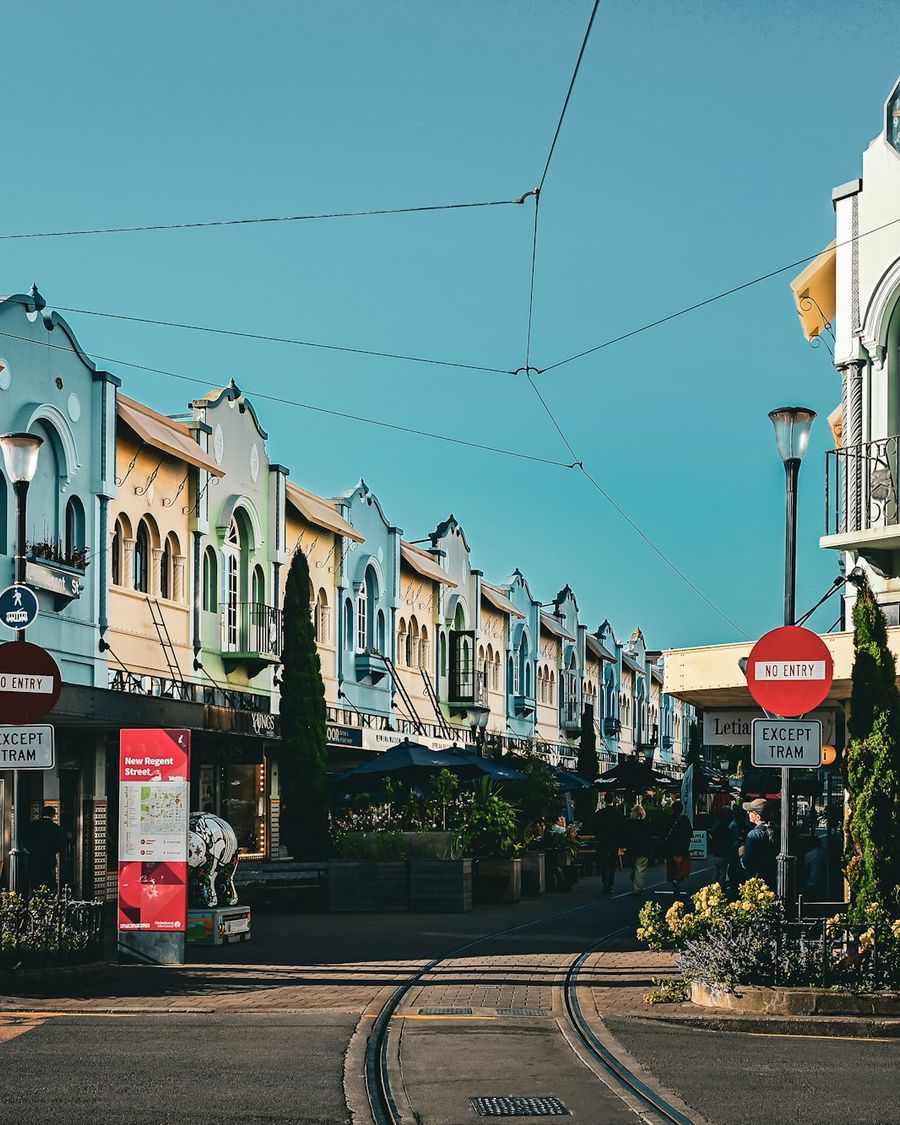
Example scenario — generic and illustrative only. An online vintage clothing store that has traded for two years wants to test a physical shop on Christchurch’s New Regent Street. The founders take a three-month pop-up lease and use a line of credit sized to their online turnover to fund racks, a POS setup and extra stock. After the pop-up, they’ll decide whether to sign a longer lease based on real sales, not guesswork.
Plan your next site
Enquire in about 60 seconds — it’s free and doesn’t affect your credit score. A lending specialist will talk through staged funding for a pop-up or a full second site.